Cabinets are the biggest thing you’ll look at in a kitchen and usually the biggest thing you’ll pay for, so it’s worth getting them right. The good news is that “unique” no longer means ornate or expensive. In 2026 it mostly means warmth, texture, and one or two confident choices – a fluted island face, a deep green run, a handle you can’t quite see.
This is the complete guide. Below you’ll find ten unique kitchen cabinet ideas worth stealing, plus the door styles, colors, materials, hardware and storage decisions that sit behind them – with links to deeper guides on each. Whether you’re planning a full remodel or just refreshing tired doors, start here.
What makes a kitchen cabinet “unique” in 2026
For about a decade the safe answer to every kitchen was identical: white Shaker doors, grey island, brushed-nickel bar pulls, small kitchen. It’s a good look – it’s also on half the street.
What’s shifted is that people are trading that safety for character. Wood finishes have overtaken plain white as the most-requested cabinet look for the first time in years, matte has quietly become the default over gloss, and small tactile details are doing the heavy lifting. According to the NKBA’s 2026 kitchen trends research (outbound authority link – swap for the exact report URL), warmth, natural materials and purpose-built storage are defining the year. So “unique” today isn’t about carving or a loud color. It’s about texture, contrast, and a couple of deliberate risks.
Here’s where to take them.
10 unique kitchen cabinet ideas
1. Fluted and reeded cabinet fronts
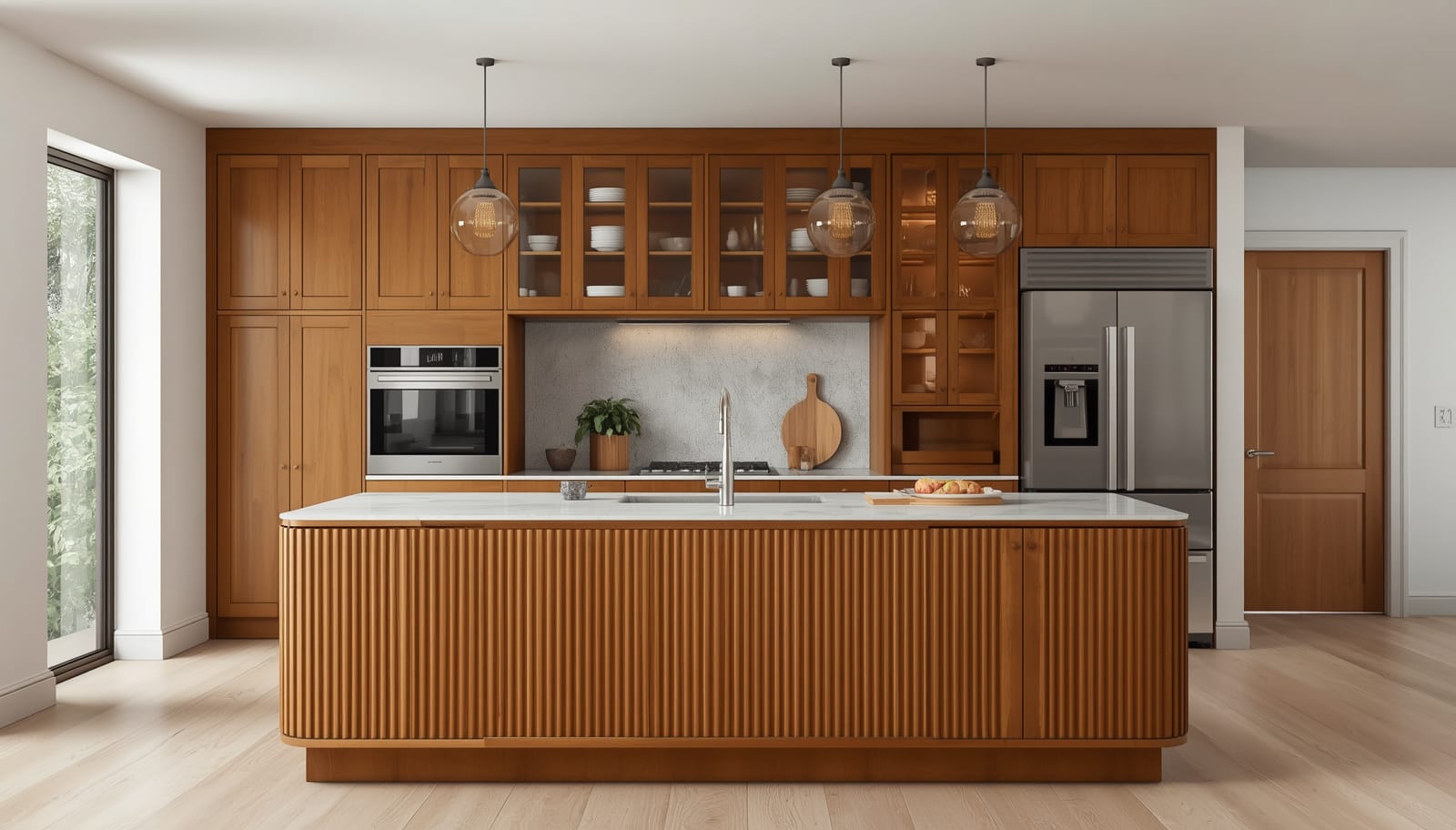
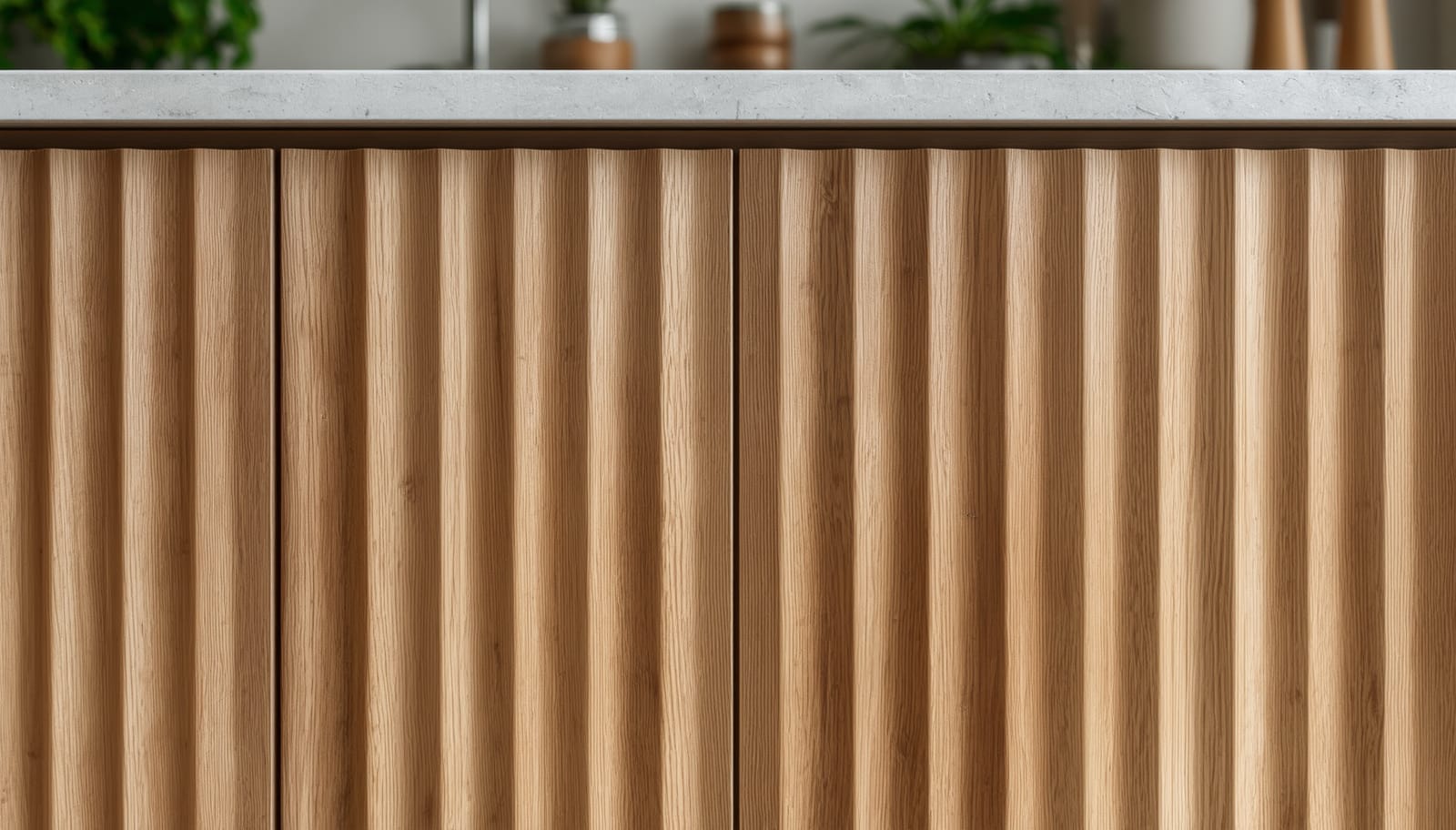
If one detail defines this year, it’s the fluted front – vertical ridged panels that used to live only on bar cabinets and now turn up on islands, pantry walls and range surrounds. They catch light along every groove, so a plain color reads as textured instead of flat. Reeding (rounded ridges) feels softer; fluting (sharper channels) reads more architectural.
Make it work: Use it on one element, like the island face, and keep it matte so the shadow lines stay crisp.
2. Two-tone cabinetry
The easiest way to make a kitchen look designed rather than delivered: lighter uppers to keep the room airy, a deeper grounding color on the lowers. Navy-and-oak, sage-and-cream and charcoal-and-walnut all work. The island is where you can really let go with a contrasting shade or countertop.
Make it work: Repeat one finish somewhere else – a shelf, the hood, a stool – so the two tones read as intentional.
3. Warm wood instead of white
The biggest single change this year is visible wood grain: white oak for a light Scandinavian feel, walnut for depth, smoked oak for something cozier. After years of painted everything, real wood makes a kitchen feel grounded and, honestly, more expensive.
Make it work: Grain varies door to door, so buy from one supplier and batch, and see the actual species – not a laminate print of it.
4. Moody, saturated color
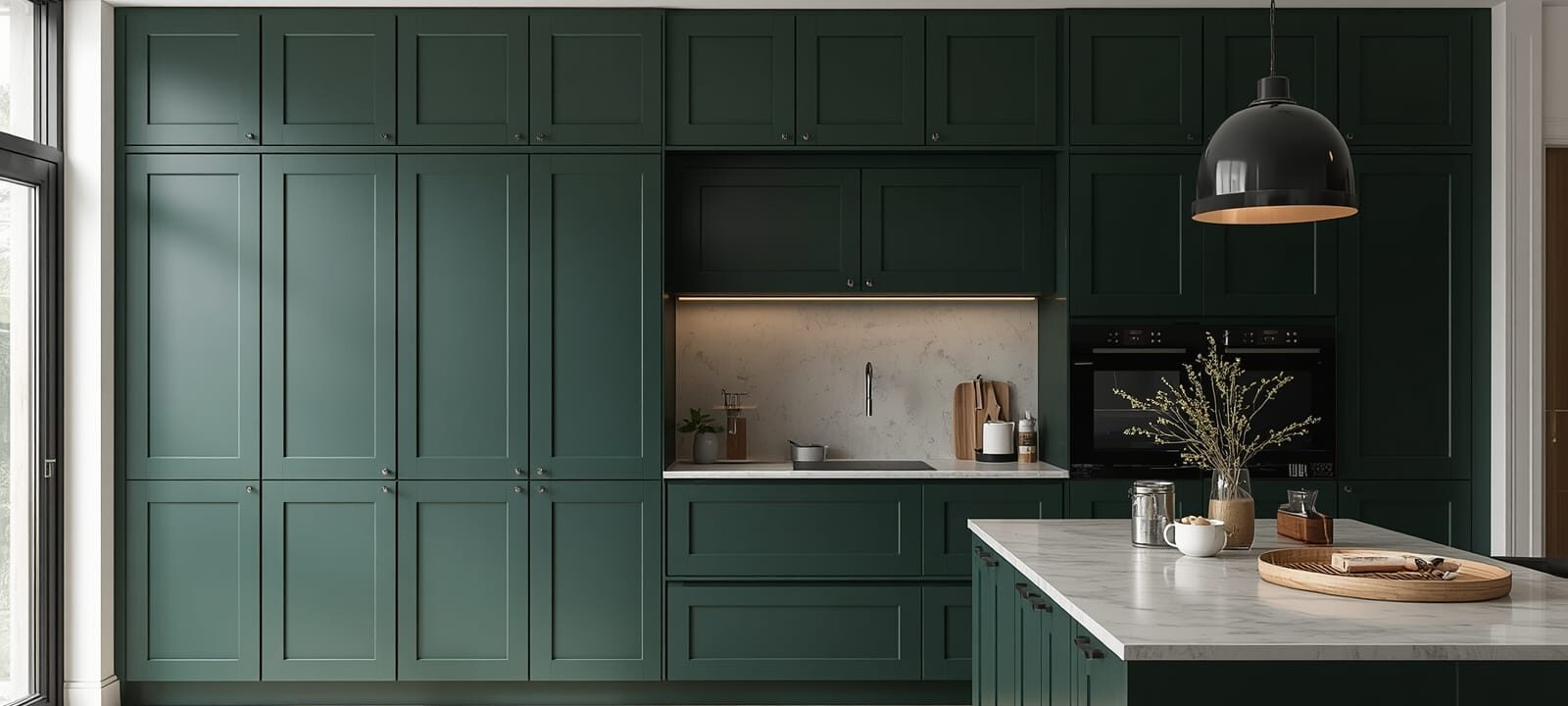
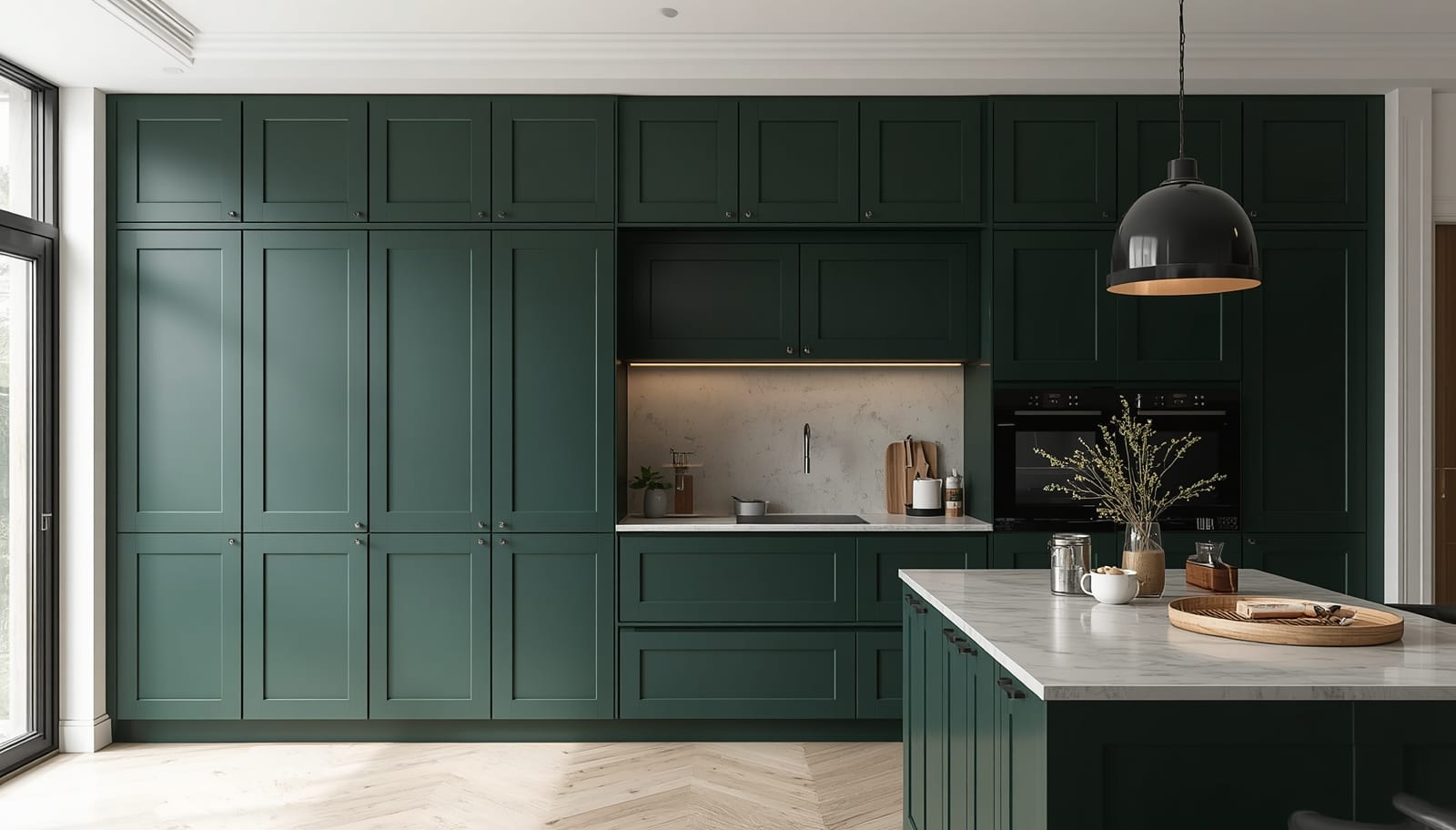
Deep color is the loud trend. Forest green, navy, espresso and true matte black are everywhere, and jewel tones – emerald, sapphire, a considered ruby – suit anyone who wants a statement. You don’t need the whole room; a single dark run, or just the island and pantry, gives most of the impact with less risk.
Make it work: Pair dark cabinets with warm metals – brass, copper, bronze – so the room reads rich, not cold.
5. Handle less and integrated-pull fronts
Nothing modernises a cabinet faster than removing the hardware. An edge-grip, a recessed groove, or push-to-open gives you an uninterrupted, furniture-like surface – especially good on slab doors.
Make it work: Push-to-open looks great but frustrates full hands; a subtle J-pull gives the clean look with more everyday grace.
6. Curved and rounded cabinetry
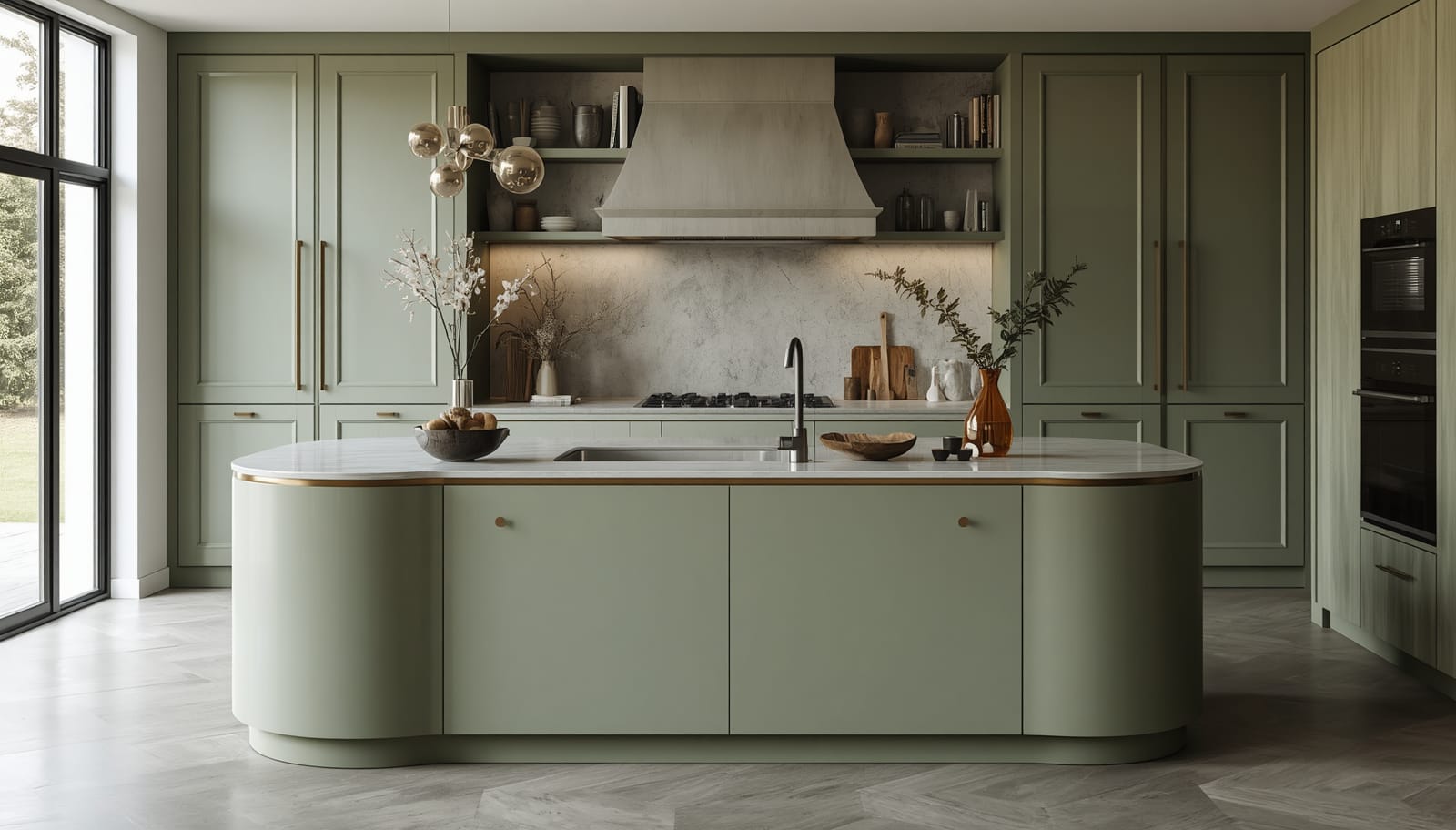
Kitchens are softening. Curved cabinet ends, rounded island corners and arched niches break up hard right angles and feel more relaxed – and safer in a busy home.
Make it work: Curves are a custom (pricier) detail, so spend them where they’re seen and touched – the end of an island, the corner of a run.
7. Mixed materials in one run
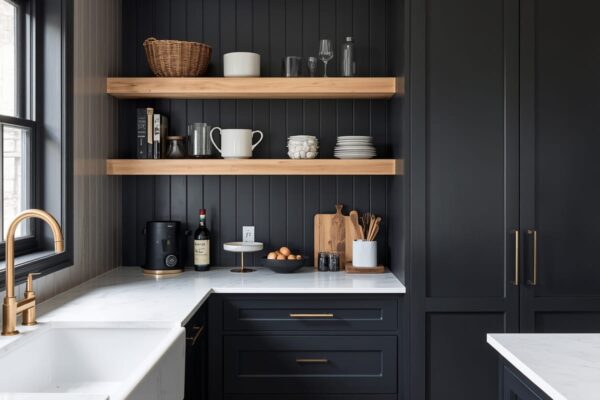
Stop treating cabinetry as a single material. Wood lowers with painted uppers, a metal-framed glass cabinet beside solid doors, a stone-clad island against timber – the contrast is what feels bespoke.
Make it work: Cap it at two or three materials and let one repeat, or it tips from “curated” into “cluttered” fast.
8. Fluted-glass and framed-glass fronts
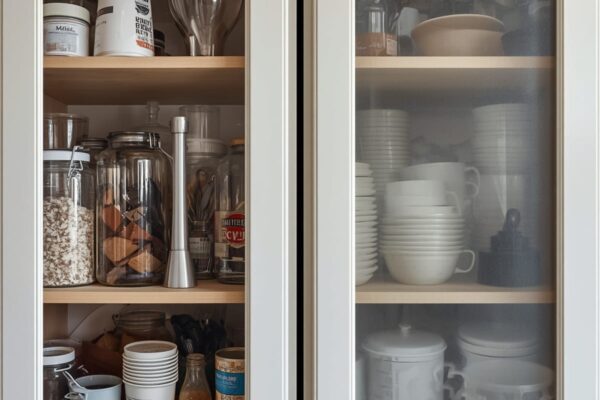
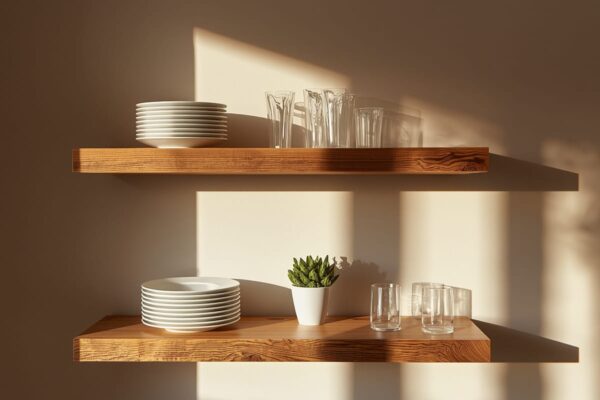
Open shelving is quietly on its way out – dusting proved less charming than the photos suggested. Glass-front cabinets are the smarter replacement: lightness and display without the daily upkeep. Fluted glass is especially forgiving, hinting at what’s inside without demanding perfectly styled shelves.
Make it work: Reserve glass fronts for what you actually want on show; keep everyday clutter behind solid doors.
9. A floor-to-ceiling statement wall
Instead of scattering wall cabinets around, build one full-height run – a pantry-and-storage wall in a single bold color or wood. It swallows storage, hides small appliances behind tall doors, and anchors the room architecturally.
Make it work: On tall walls, stacked uppers or a slim top trim stop the run from looking like a blank slab.
10. Furniture-style and freestanding pieces
The “unfitted” kitchen – where at least one piece looks like a standalone dresser or larder – brings instant character and a collected-over-time feel. A freestanding pantry, a hutch with legs, or an island that reads like a real table all break the wall-of-cabinets monotony.
Make it work: Give it a different finish or visible legs so it genuinely reads as furniture, not a built-in that lost its plinth.
Choosing your cabinet door style
The door style sets the tone for everything else, and it’s the hardest thing to change later, so choose it for the long term. Shaker remains the most popular for good reason – its simple recessed panel suits almost any kitchen. Slab (flat-panel) doors are rising fast; they’re the cleanest canvas for wood grain, bold color or handleless designs. Glass-front doors lighten a heavy run, and beadboard or fluted fronts add texture where a plain door would feel flat.
A quick rule: the busier your color or material, the simpler your door should be – and vice versa.
Cabinet materials: what’s behind the finish
The box matters as much as the door. Painted fronts look best on MDF, which takes a smooth finish without visible grain. Solid wood and quality plywood are worth the spend for boxes and drawers that take daily abuse. Thermofoil and laminate are budget-friendly and wipeable but can struggle near heat.
A couple of honest trade-offs: matte finishes hide fingerprints beautifully but show scuffs, while gloss is the reverse. And soft-close hinges and drawers aren’t a luxury any more – they’re the cheapest upgrade that makes a kitchen feel expensive every day.
Cabinet colors that feel fresh
Warm and earthy tones lead in 2026 – caramel, terracotta, mushroom and greige – alongside nature-inspired greens (sage, olive, forest), deep navy and charcoal, and true matte black for contrast. Warm woods sit at the very top of the list, having overtaken plain white.
White isn’t dead, but its current form is softer: off-whites and creams paired with wood or natural stone, so the room never feels clinical. If you’re nervous about commitment, put the bold color on just the island or pantry.
Hardware and the finishing touches
Hardware is jewellery for the kitchen – small, but it changes the whole outfit. Warm metals dominate now: brass, matte gold, brushed bronze and black steel have edged out cold chrome. Bar pulls remain the practical favorite, though recessed and groove-cut handles suit the handle less look.
Make it work: Pick one metal and stay consistent across handles, faucet and lighting, or mix just two on purpose.
Smart storage and layout
The most useful “unique” feature is often the one you can’t see. Appliance garages hide the toaster and coffee machine behind a roll-up door; deep pot drawers, pull-out corner organisers and full-height pantry cabinets keep worktops clear and cabinet lines unbroken. In smaller rooms this matters even more – clever storage is what makes a compact kitchen feel calm.
Make it work: Plan power outlets inside appliance garages during the build; retrofitting a socket into a finished cabinet is a headache nobody enjoys.
Getting the look on a budget
You don’t need a full replacement to get a distinctive kitchen. Repainting or refacing existing cabinets in a warm or bold color, swapping hardware for a brass or bronze pull, and adding one textured element (a fluted island panel, a glass-front upper) deliver most of the impact for a fraction of the cost.
How to care for your cabinets
Distinctive cabinets are worth protecting. Wipe spills quickly, especially on wood and near the sink and hob; use a soft, damp cloth rather than harsh sprays on matte finishes; and keep steam away from door edges by cracking a window or running the extractor. Re-tighten hinges once a year and your doors will hang true for a decade or more.